Search Engine Optimisation
SEO (Search Engine Optimisation) is a practice that is very important for non-profit organisations that rely on being easily found by users browsing through a search engine using common keywords. It is even more prevalent among NPOs because in order to get support, they need people to discover them first, and most people look at the top results in the search engine when looking up keywords.
Multi-channel & Omni-channel Strategies
Multi-channel and omni-channel strategies are utilised for user experience and immersion – both of them have their own advantages and disadvantages. It depends on the mission and purpose of the brand whether they will decide between those two choices. Omnichannel strategy relies on having each channel offer tailored content depending on the audience at the same time as keeping each channel consistent with each other. I believe that this is more effective than multi-channel strategy because it is more organized in its nature and it can prove to be helpful for smaller organisations that struggle with keeping their online presence consistent and relevant.
Social Media
Non-profit organisations should use social media as a tool of promoting themselves and bringing awareness or crowdfunding for the cause they are representing. Each platform offers its limitations in terms of format or type of interactivity allowed – it can be a challenge for many NPOs to make sure that their social media presence is relevant to their branding as well as being engaging for their supporters.
A good example of social media being used to engage its audience is the Mind Charity who frequently post prompts where the followers can answer them honestly and anonymously. The reason why I chose this example is because it presents how a NPO can engage meaningfully with their audience without risking their privacy whilst spreading awareness about the misconcenptions that surround many mental illnesses. In addition, they have carefully selected their branding (colour palette, logo, presentation) which will make it easier for people to recognize after some exposure to their social media posting, in tun making them more familiarized with the brand and it creates trust between the NPO and the audience.
— Mind (@MindCharity) October 28, 2024
Social Media Campaigns
Although many NPOs use campaigns in the form of physical activities (for example Ice Bucket Challenge), there are also social media campaigns which rely on people sharing awareness, or participating in a trend which is meant to support the NPO. This could take the form of hashtags, influencial people mentioning it and endorsing it, or an event that takes place annually on the internet (and in real life too).
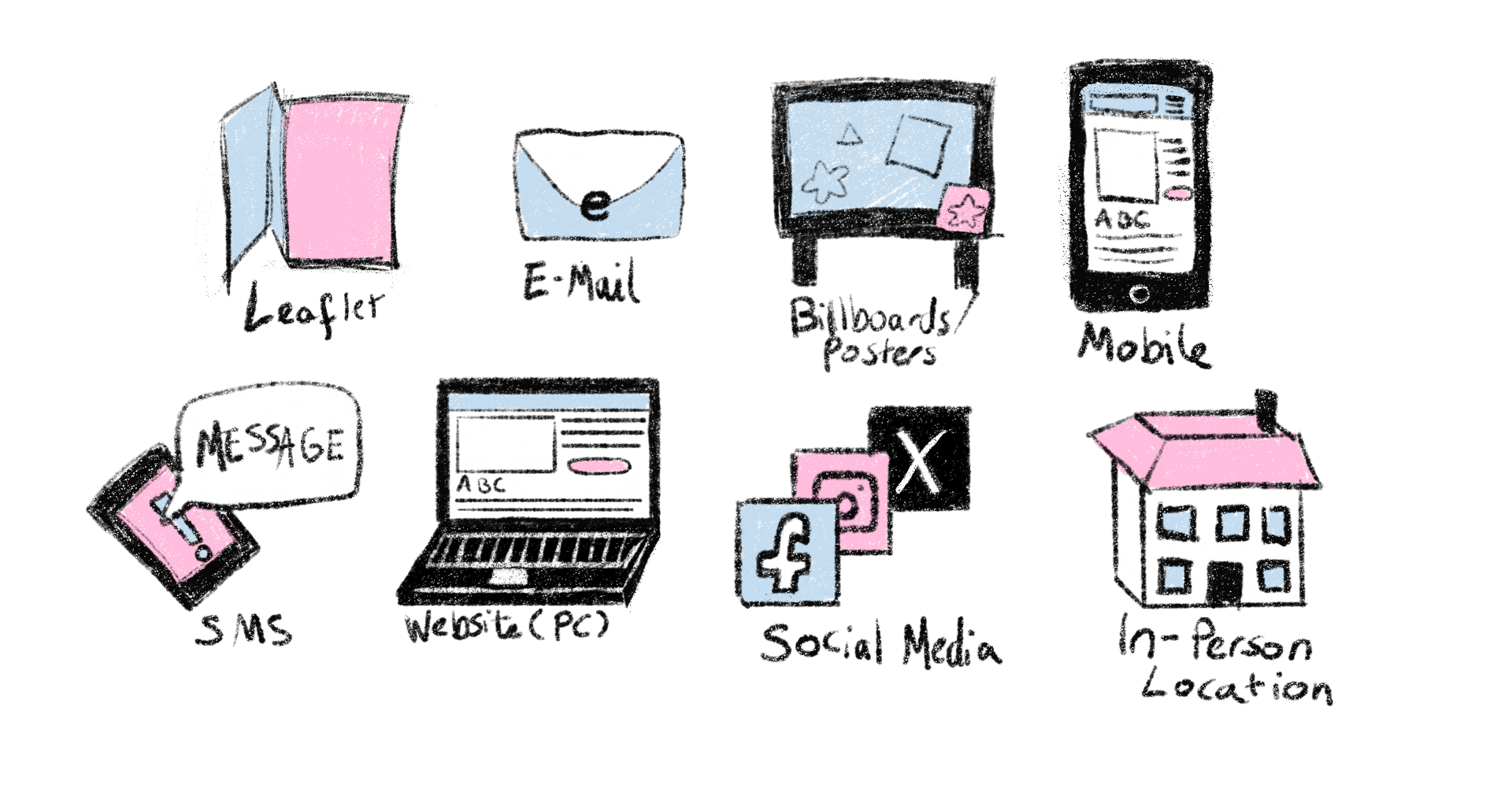
If a NPO wants to give their supporters communication on what is happening, they can add them to their mailing list and create custom emails tailored to them through services such as Mailchimp. Generally, direct mail has better response rates than E-mail – this is because it is specifically targeted towards the target audience unlike more general forms of advertising such as billboards and posters. In addition, it can be more encouraging to receive direct mail as the target audience as it might make the user feel like they were selected as someone that the NPO values, therefore creating a two-way dialog between them as the user might volunteer or be invested more after receiving the direct mail.
References
Huntsberger, A. (2024) Nonprofit SEO: 10 tips to optimize your website – Neon One. Available at: https://neonone.com/resources/blog/nonprofit-seo-optimize-website/ [Accessed 7/11/2024].
Sandoval, P. S., Garcia-Madariaga, J. (2023) Impact of emotional appeal on non-profit advertising: a neurophysiological analysis. Journal of Consumer Behaviour, 23(1), 203-217. https://doi.org/10.1002/cb.2168.
Pugh, R. (2023) Social media for non-profits: 2023 guide, best practices, & tools. Available at: https://jetpack.com/blog/social-media-for-nonprofits/ [Accessed 7/11/2024].
Wibowo, A., Wiangin, U. (2020) Customer behaviour as an outcome of social media marketing: the role of social media marketing activity and customer experience. Sustainability, 13(1), 189. https://doi.org/10.3390/su13010189.
Mind Charity (2024) X (formerly Twitter). Available at: https://www.x.com/MindCharity/media [Accessed 7/11/24].
Leave a Reply